Santos Hernandez 1935 Flamenco

Santos Hernandez 1935 Flamenco
Santos Hernandez 1935 Flamenco
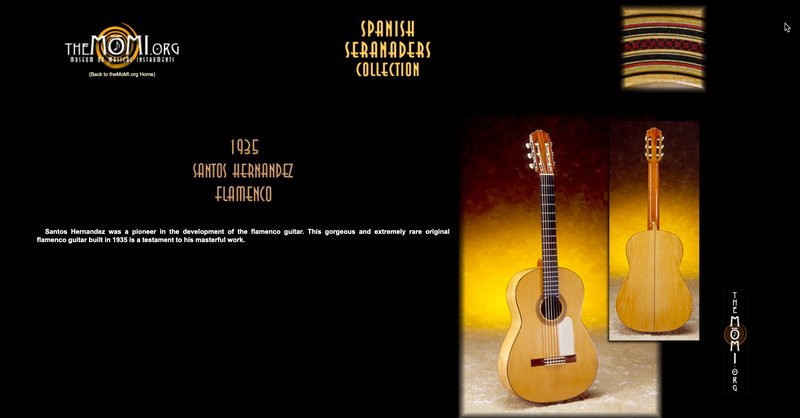
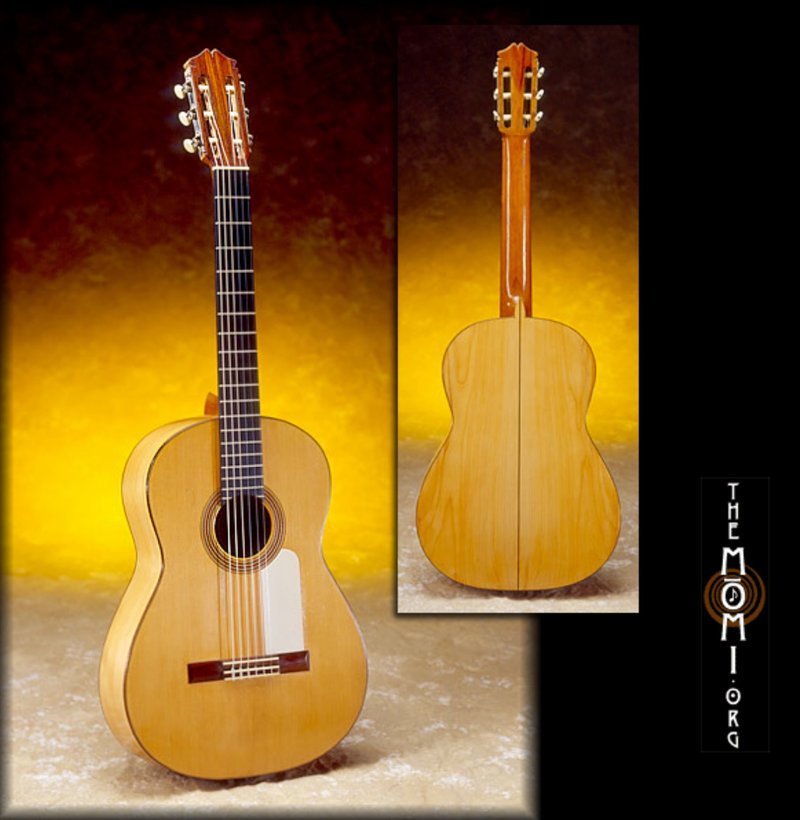
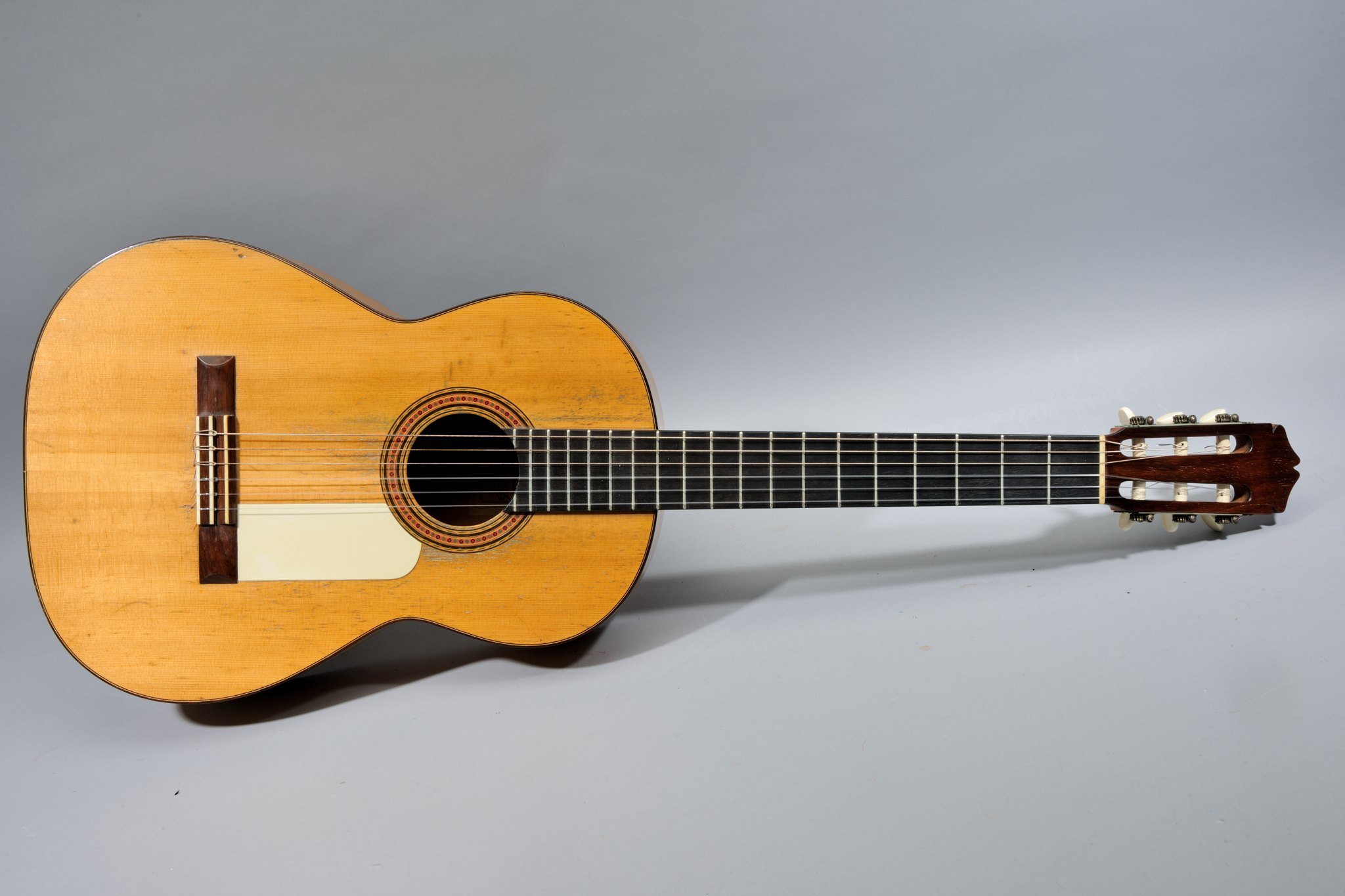
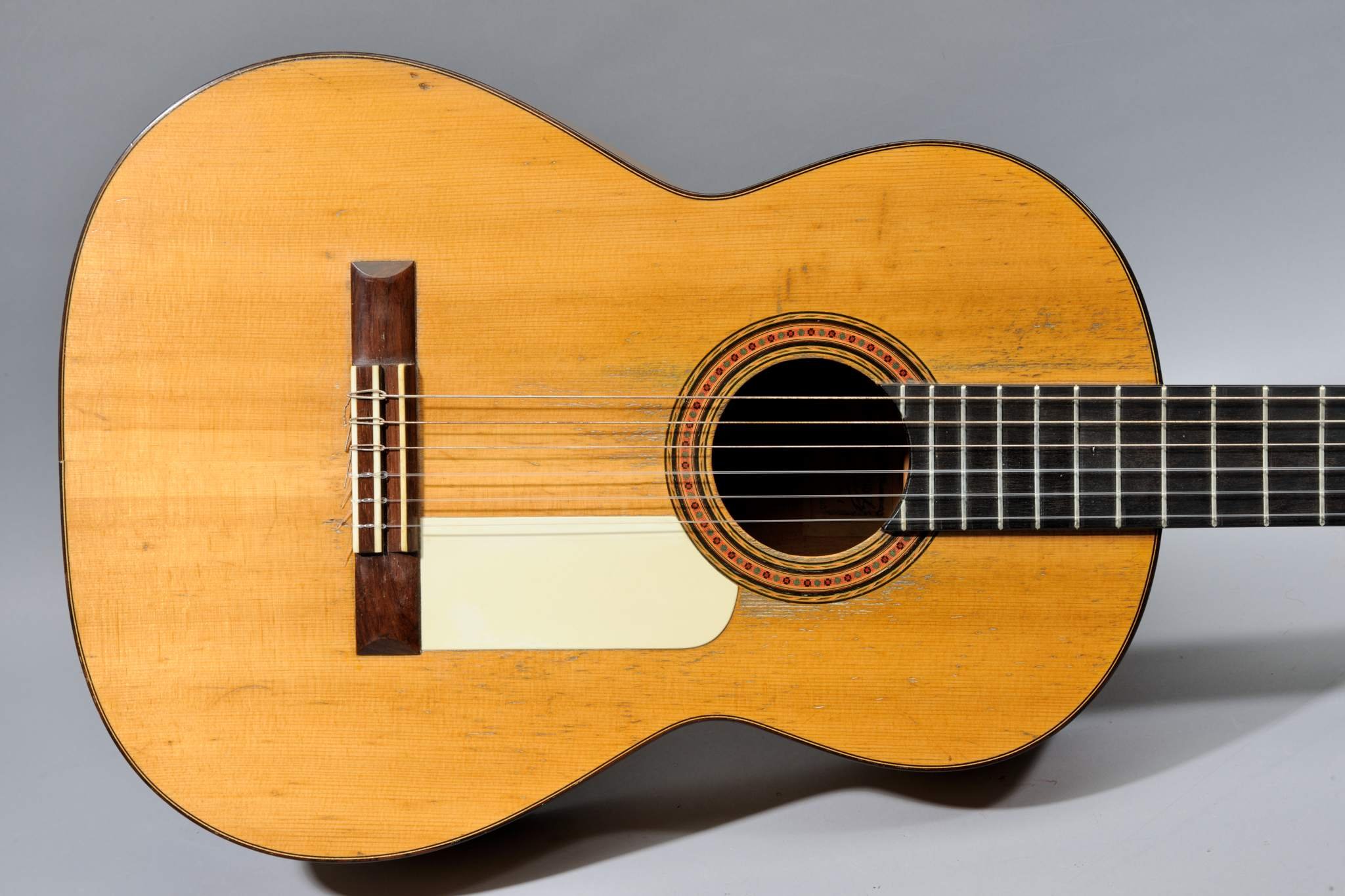
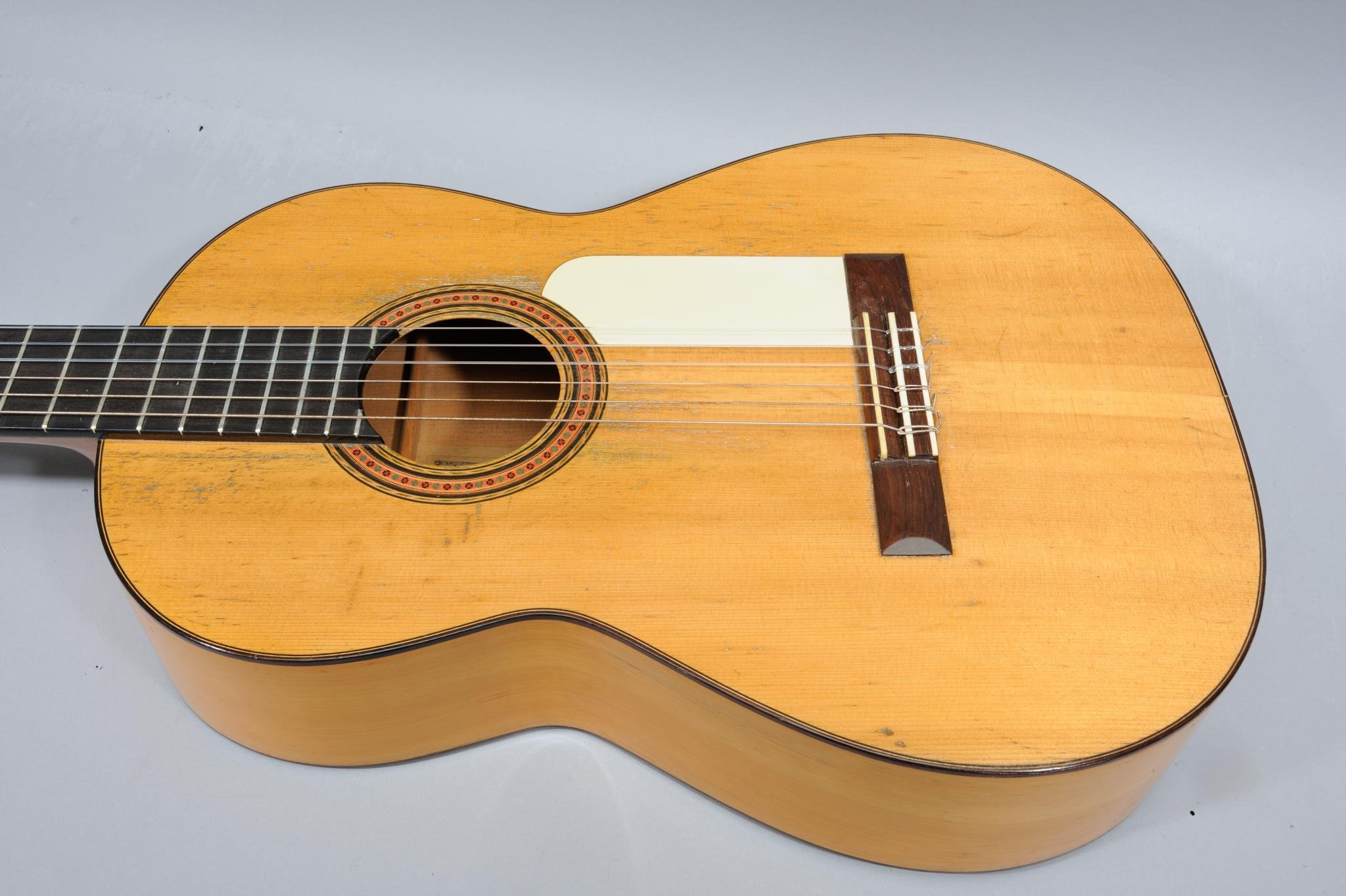
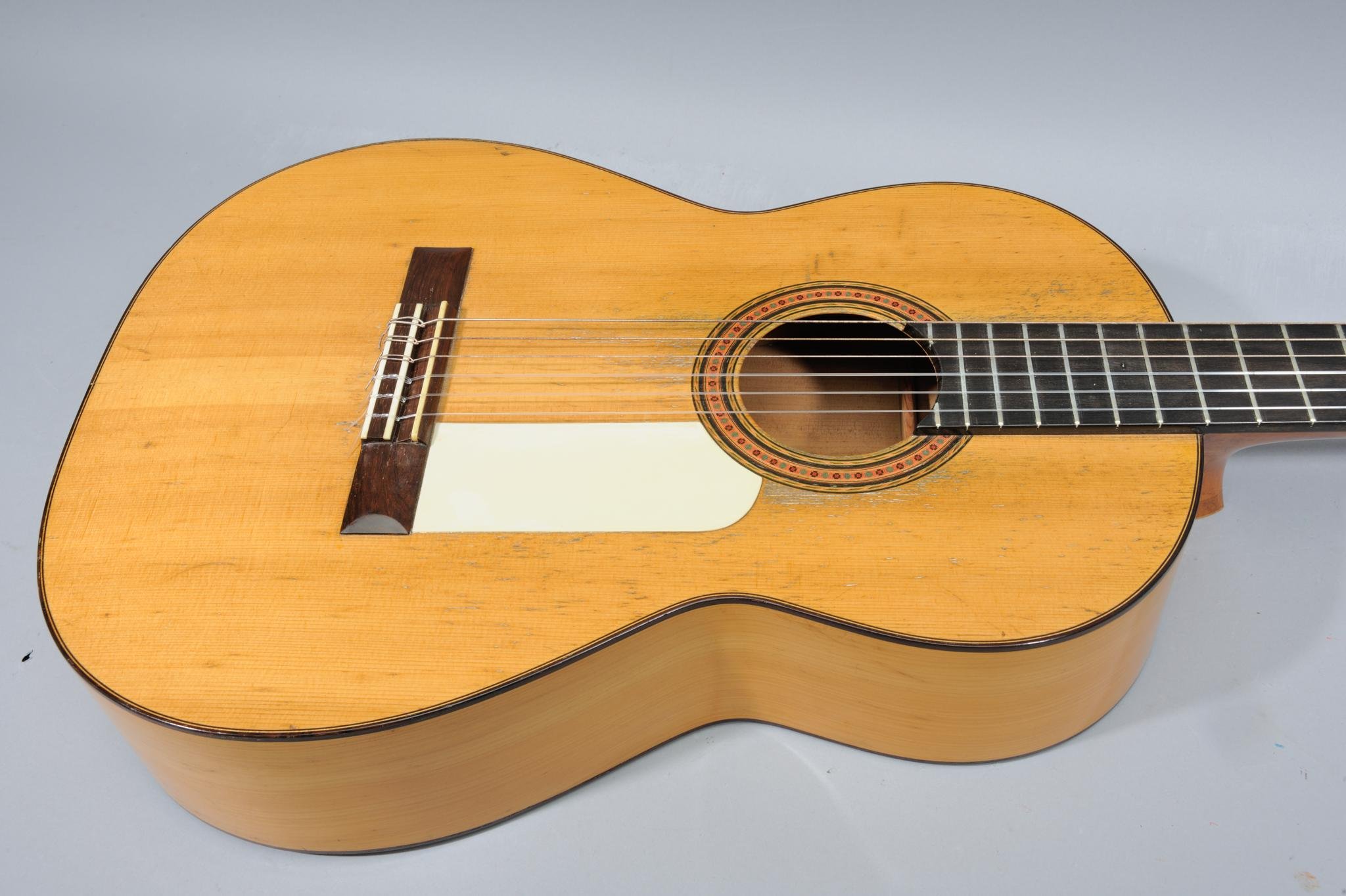
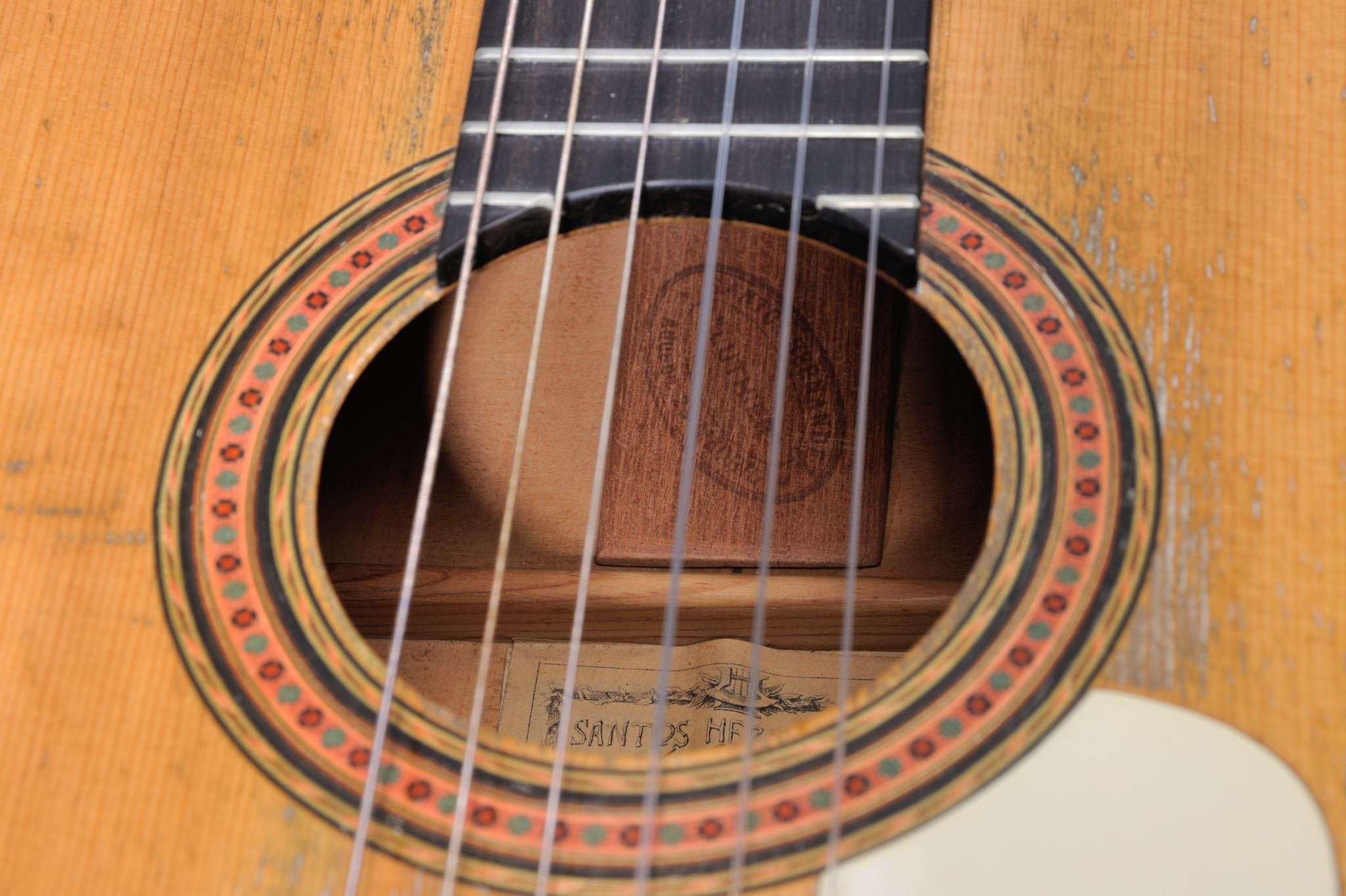
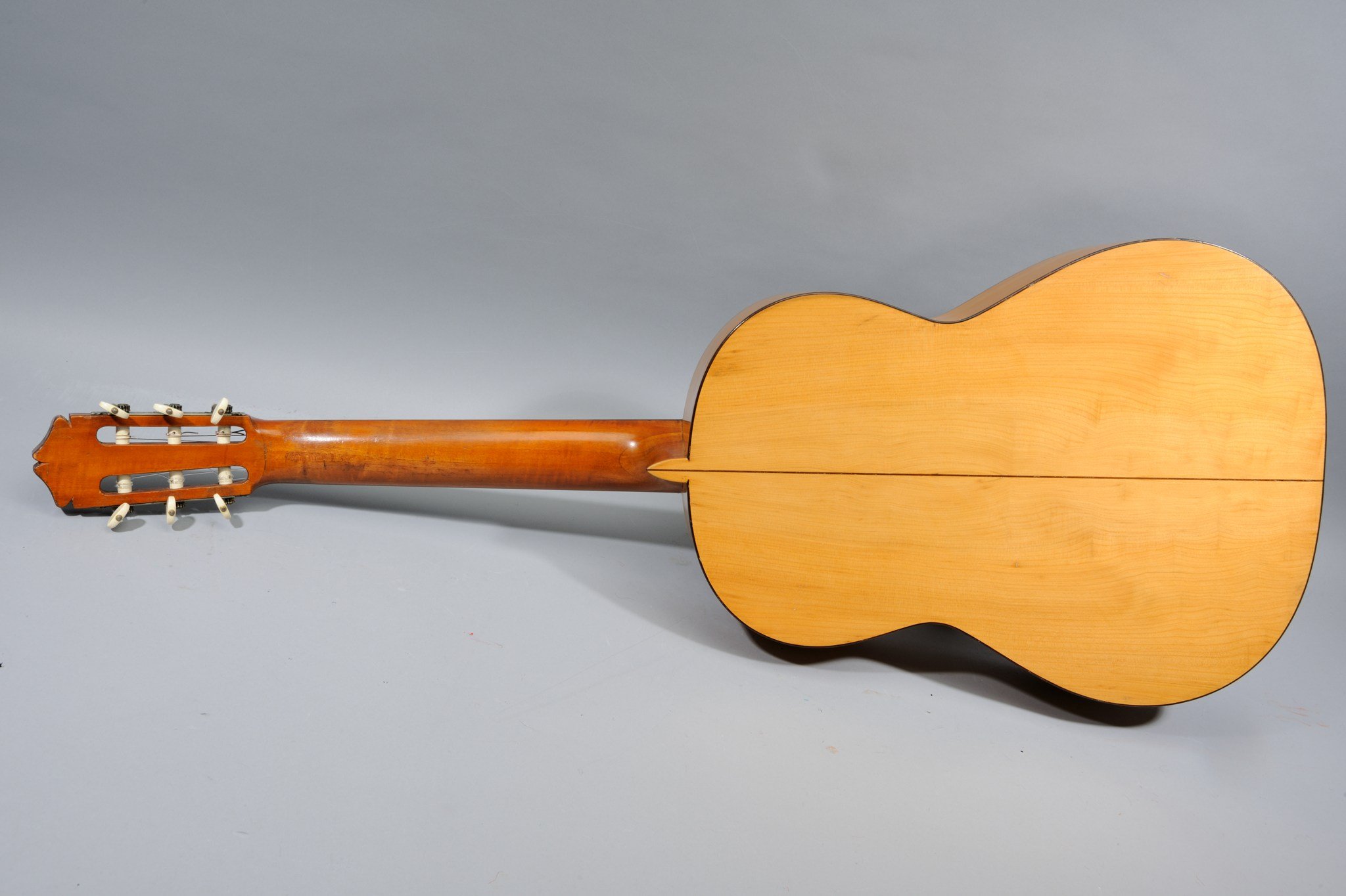
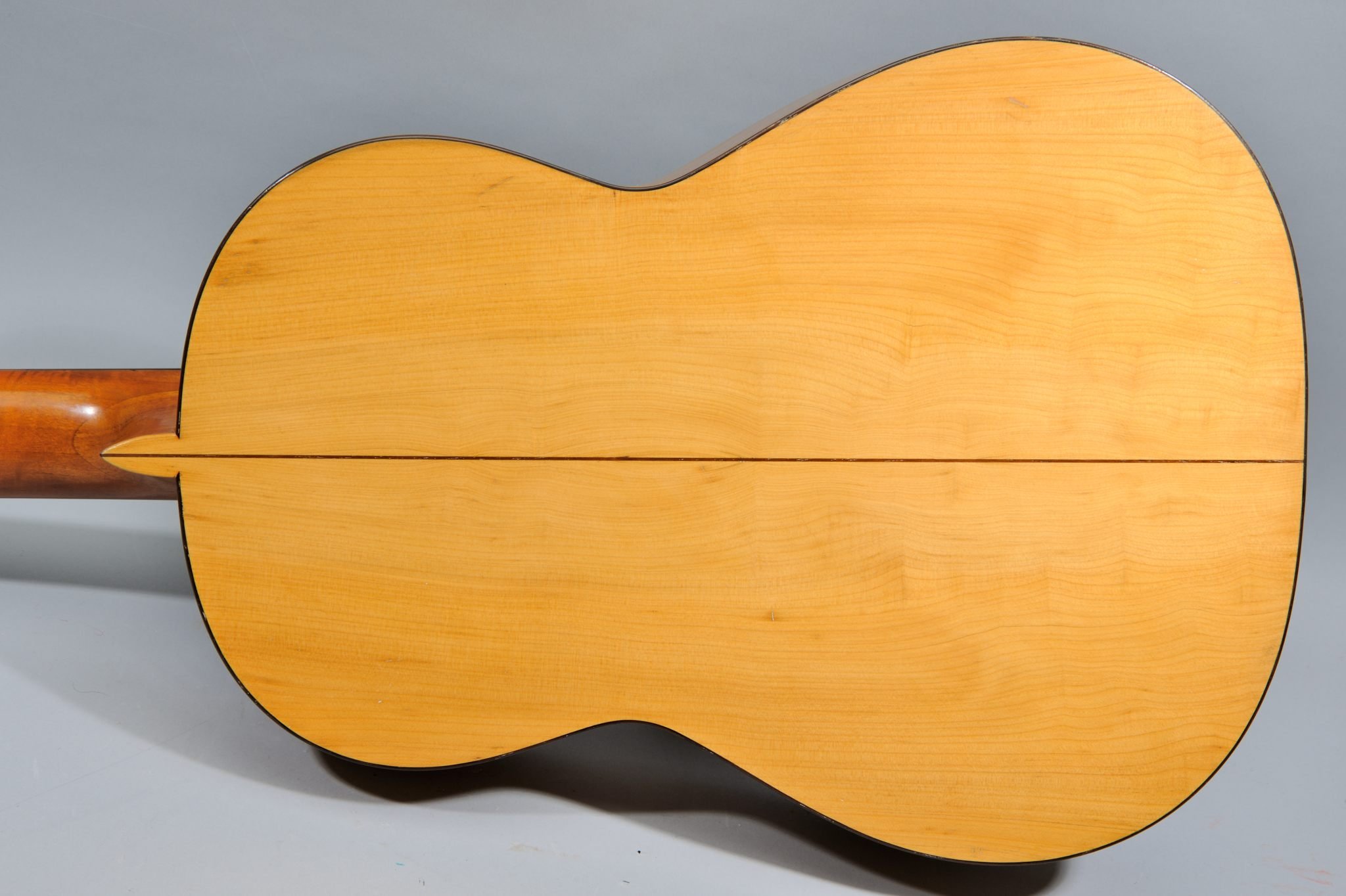
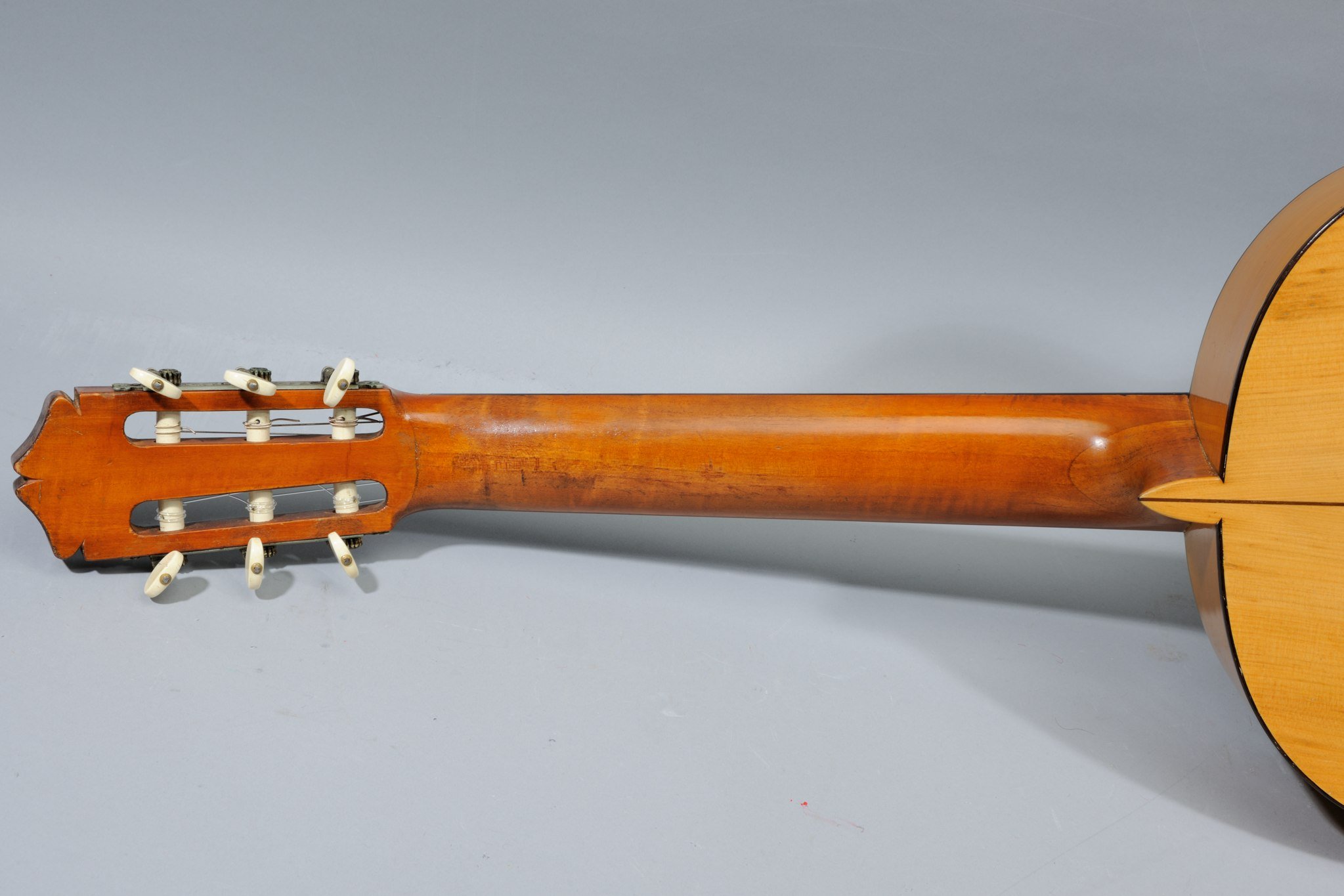
Santos Hernandez 1935. Flamenco in Vintage Natural Finish.
Spruce Top with Satinwood Sides & Back.
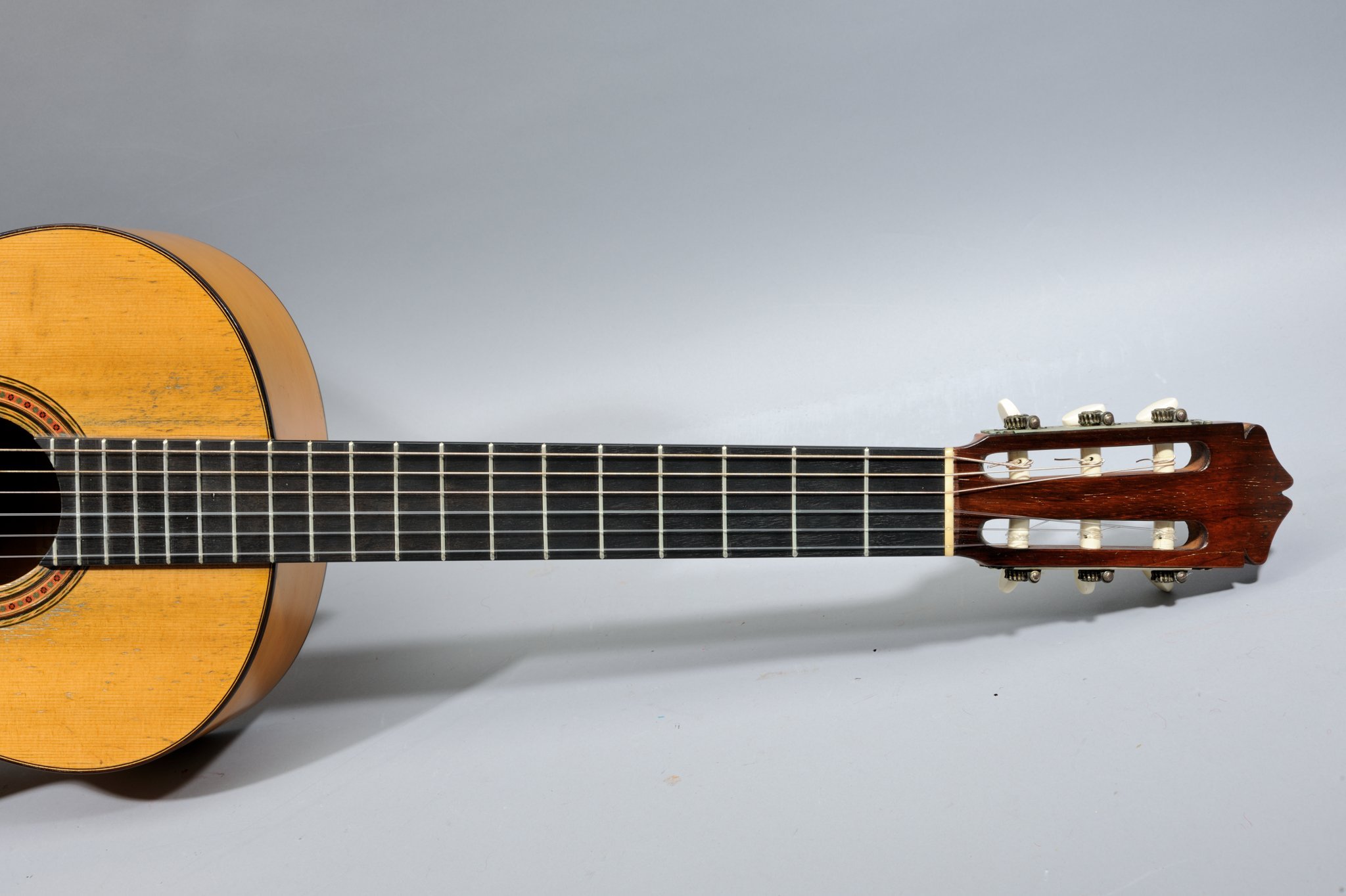
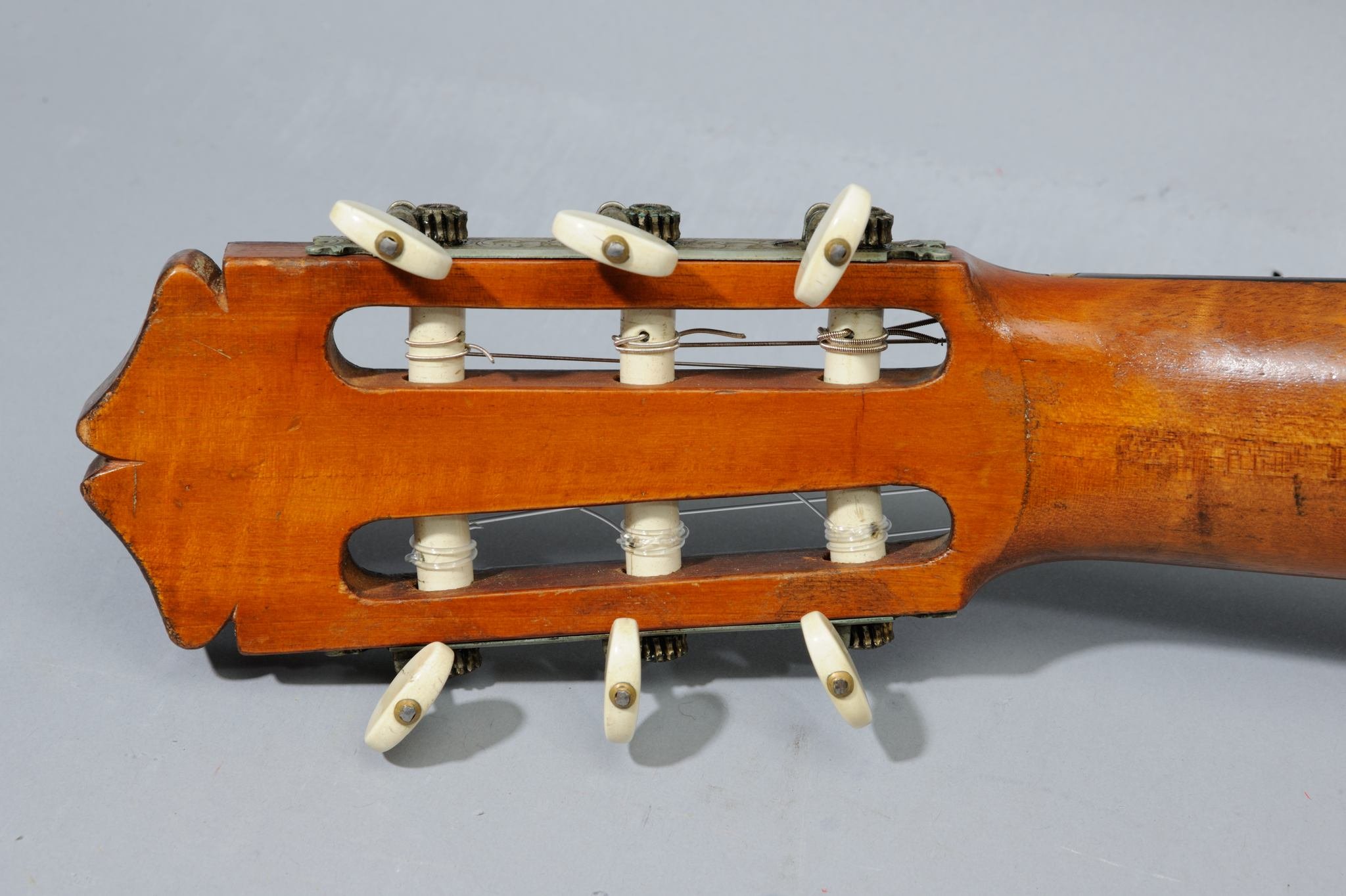
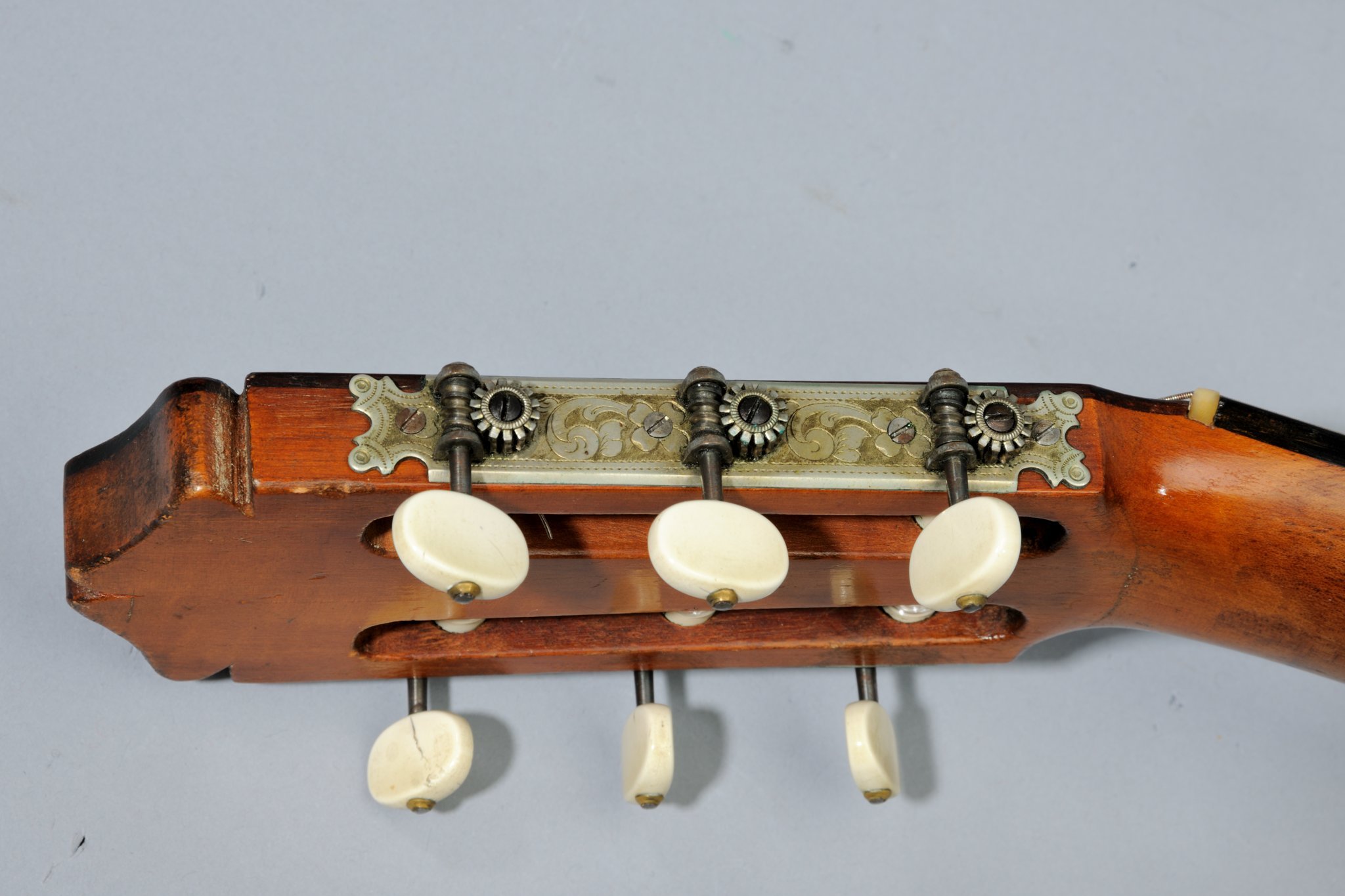
Mahogany Neck with Ebony Fretboard.
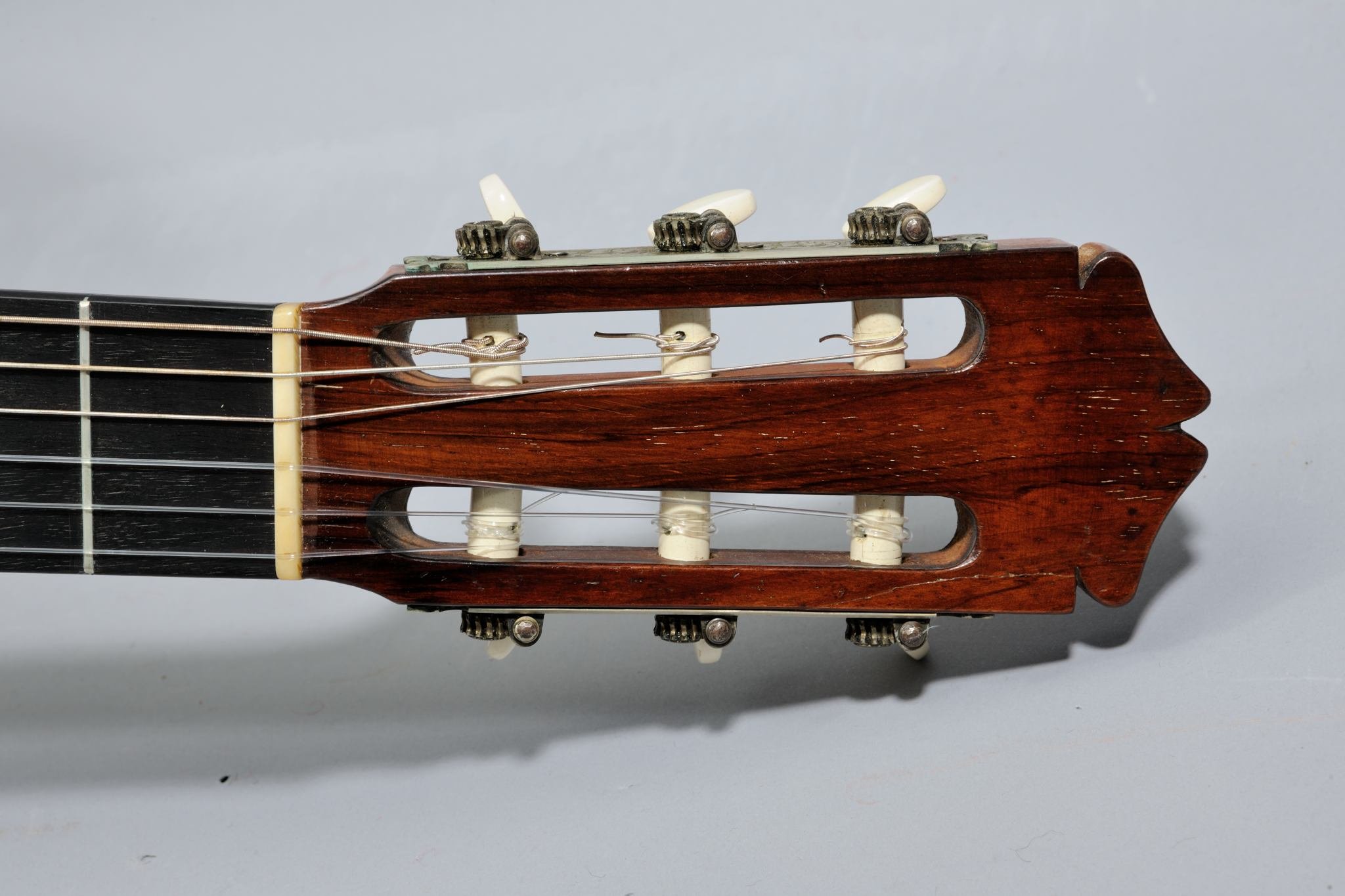
Classical Headstock with Overlay in Brazilian Rosewood.
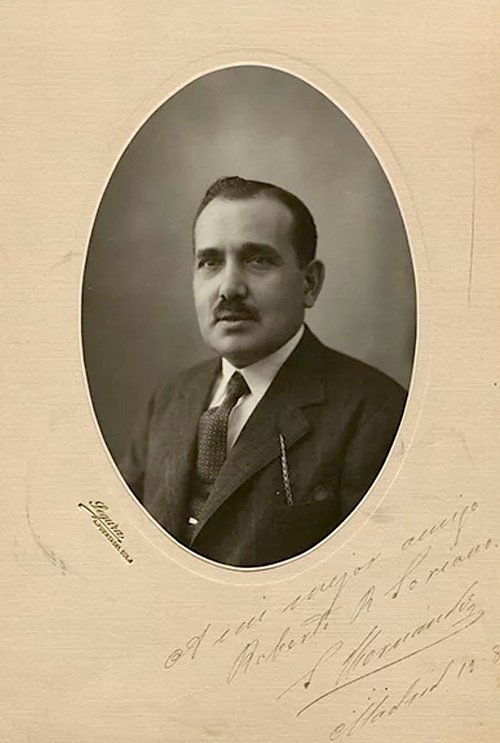
Santos Hernández 1874-1943
Santos Hernández Rodriguez was born in Madrid in 1875 and also died in Madrid on 8 March 1943.
Together with the guitar maker Antonio de Torres, he is considered the most famous Spanish guitar maker in history.
For many, he is also the guitarrero who has created the most beautiful sound in the whole history of the instrument.
He started the guitar making career at a very young age in the workshop of the guitar maker Valentín Viudes, from Valentín’s workshop he went on to work briefly in the workshop of the guitar maker from Granada, José Ortega, who was based in Madrid. From this workshop, he moved on to the one located in Calle Carretas 33, which belonged to the heirs of Francisco González (Hijos de González).
We can see that the trajectory of Santos Hernández is quite impressive as he has been working in so many famous and historical workshops, especially that of Manuel Ramirez. And therefore the great knowledge and experience he already had before opening his own workshop.
Santos Hernández was already very famous during his lifetime, and he received orders by mail from all over the world, the vast majority of which Santos was unable to carry out. It is said that he had a very good collection of stamps from all over the world from the countless letters he received every year asking him to make a guitar. All the great Santos contemporary guitarists, both classical and flamenco, wanted to have a guitar made by him and it was considered a great privilege to have one of his guitars.
The famous classical guitarist Regino Sainz de la Maza was a good friend of Santos Hernandez. Regino played with a Santos Hernández guitar made by the maestro in 1934. This guitar made back & sides with maple wood had also the name “La Rubia” (The Blonde). La Rubia was a historic guitar as Regino played with it the Concierto de Aranjuez for guitar and orchestra composed by the composer Joaquín Rodrigo at the Palau de la Música in Barcelona on the 9th of November 1940. This concert was the world premiere of this concerto, the most famous and most played concerto in the history of the classical guitar.
Regino liked to visit Santos in his workshop in Calle Aduana on a regular basis. In a very interesting press article written by Regino in a Madrid newspaper with the title: “El Artesano Santos Hernández, armador de guitarras”, Regino comments that when he opened one of the letters from someone who wrote to him asking for a guitar, Santos replied: “But it takes me 4 months to make one!”. Regino tells us in this article that Santos liked to work alone and every detail of the instrument was made and controlled by him. In another article about an interview with Santos Hernandez written by Spanish journalist Paulino Masip in 1929 ( Revista Estampa ) Santos says “ it takes me a month or more than a month to make a guitar. But I don’t know because I never make only one at a time “. As is often the case, guitar makers normally make two, three, four, or even more at the same time spending months to finish them all together.
Santos liked to control the entire construction process himself without any help.
Regino Saiz de la Maza comments: “Santos takes a long time to make a guitar… he turns a piece over a thousand times before putting it in place… nothing matters to him except that his instrument is perfect”. He also tells us that the workshop is simple. With subtle and primitive tools. And a very small lathe. And that the workshop smelled of “delicate resins and varnishes”.
Santos’ workshop was frequented by many guitarists, many of them famous, who spent hours with the master, talking to each other and playing while Santos worked. A truly special atmosphere. A kind of cultural center was formed there around the guitar and everyone appreciated the noble and generous character of the great master Santos Hernández.
One of Santos’ most famous guitars was the one used by Andres Segovia in his concerts from 1912 to 1937. With a beautiful story behind it.
Andrés Segovia himself tells us that when he was very young he went into the famous workshop of Manuel Ramirez at number 10 Calle Arlabán to rent a guitar.
There he met Manuel Ramirez himself who, on seeing him badly dressed, told him that he would not rent him a guitar. Segovia took a guitar that was in the workshop and began to play while Manuel Ramirez looked at him sideways. He told him again that he was not going to rent him any guitar, went to the back room and took out a guitar, and told him again: “I am not going to rent you a guitar. Take this one and walk around the world with it” He didn’t rent it to him, he gave it to him as a present.
That guitar was one made by Santos Hernández who at that time already worked from 1905 in Manuel Ramírez’s workshop.
When Manuel Ramírez died in 1916, Santos continued to work for his widow until 1920.
In 1921 Santos opened his own workshop at 23 Aduana Street in central Madrid. He was a very reserved luthier in his arts and construction techniques and he always refused to transfer his knowledge to anyone.
Great classical guitarists of the time played Santos Hernández guitars such as Luis Sánchez Granada, Regino Sainz de la Maza, Quintín Esquembre, as well as flamenco guitarists such as Ramón Montoya, Niño Ricardo, Sabicas, Esteban de Sanlúcar, Manolo de Huelva , Manolo de Badajoz, and others.
After his death in 1943, his widow continued to run the shop and hired Marcelo Barbero as luthier.
It is estimated that from 1916 until his death he built almost 300 guitars.
An exceptional instrument of the same year was displayed in the collection of the MoMI described here
https://www.dlib.org/dlib/may06/05featured-collection.html
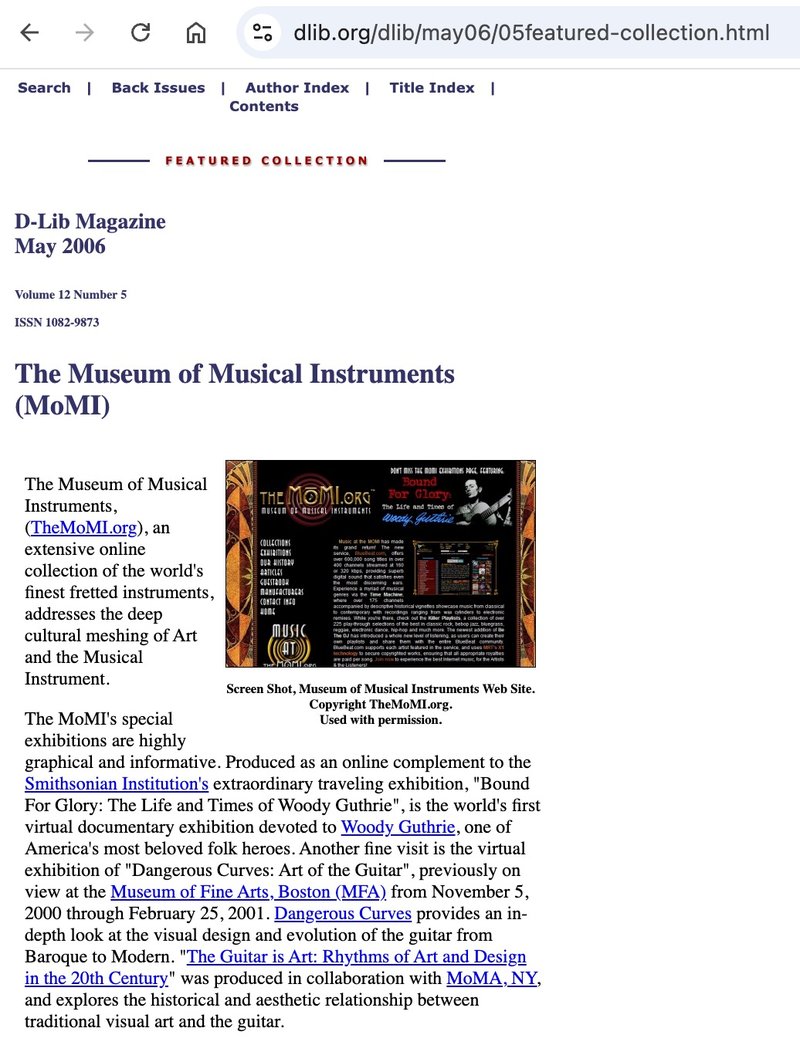
and their wonderful Santos Hernandez of 1935 was displayed here:
https://www.themomi.org/museum/spanishser/1935SHFlam.html